



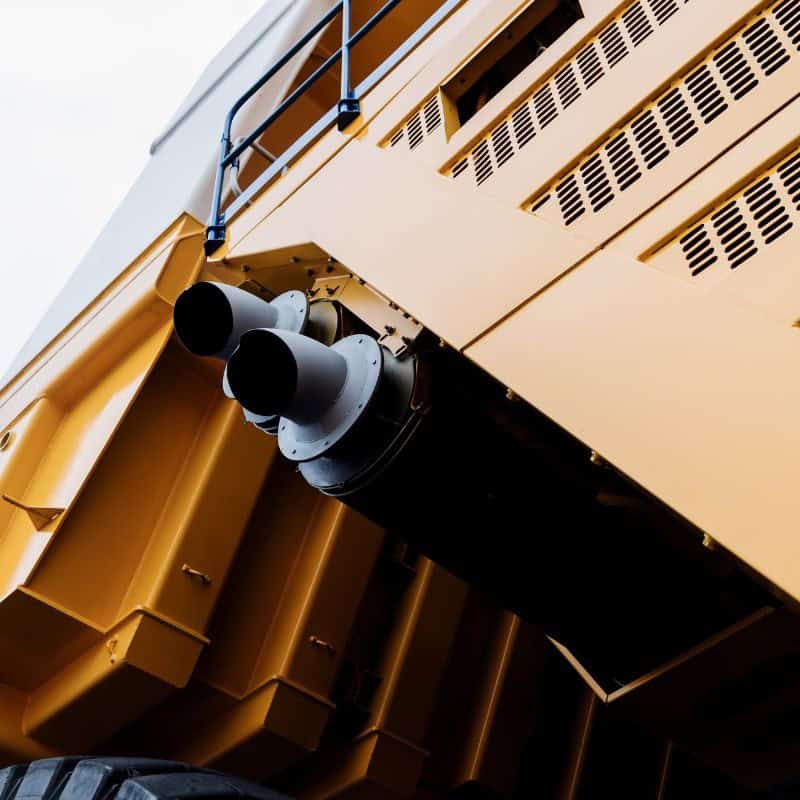
Heavy equipment operates in some of the harshest conditions imaginable. High temperatures, constant vibration, long run times, and exposure to dust, moisture, and debris all take a toll on exhaust components, especially the muffler.
While mufflers are often overlooked during routine maintenance, a failing muffler can lead to reduced performance, increased fuel consumption, excessive noise, and costly secondary damage. Knowing the warning signs can help you address issues early and keep your equipment running reliably.
The muffler is a critical part of the exhaust system. It helps control noise levels, regulate exhaust flow, and protect surrounding components from extreme heat and exhaust gases.
When a muffler begins to fail, it can affect engine efficiency, operator comfort and safety, compliance with noise regulations, and overall equipment longevity.
One of the first indicators of muffler failure is increased exhaust noise. If your machine suddenly sounds louder, harsher, or more metallic than usual, the muffler may be cracked, rusted through, or internally damaged.
Loose internal baffles or broken mounting hardware can cause rattling noises, particularly during startup or under load. These vibrations often signal internal muffler failure and should not be ignored.
Heavy equipment mufflers are constantly exposed to corrosive exhaust gases and environmental moisture. Surface rust is common, but deep corrosion, cracks, or holes can allow exhaust gases to escape and compromise both performance and safety.
A damaged muffler can restrict or disrupt exhaust flow, increasing backpressure. This may lead to:
These symptoms are sometimes mistaken for engine problems when the root cause lies in the exhaust system.
Exhaust leaks caused by muffler damage can result in stronger-than-normal exhaust odors around the equipment. This can create uncomfortable or unsafe conditions for operators and nearby personnel.
Minor issues such as loose clamps or brackets may be repairable. However, mufflers with internal damage, significant corrosion, or structural failure are best replaced.
Timely replacement helps prevent:
Selecting the correct muffler for your heavy equipment is essential. High-quality aftermarket mufflers are designed to match equipment specifications while offering durability and reliable performance in demanding environments.
Keeping your exhaust system in good shape starts with the right muffler. At aftermarketconstructionparts.com, we offer aftermarket mufflers engineered for heavy equipment applications. Explore our selection to find durable options that help reduce downtime and keep your equipment working the way it should.

