



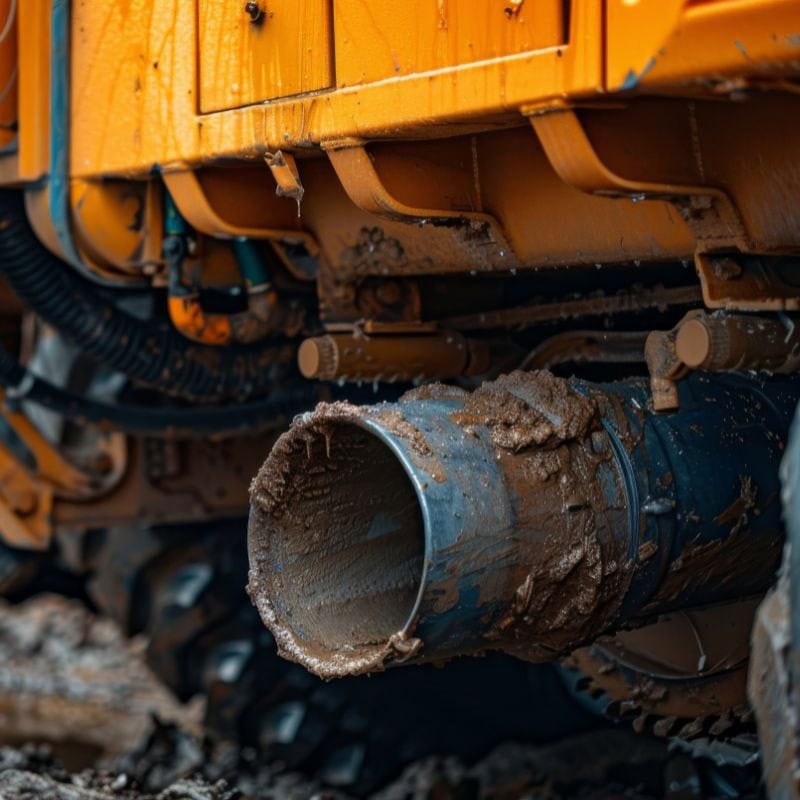
When it comes to heavy equipment performance, mufflers don’t always get much attention. They’re often thought of as simple noise-reduction parts, but in reality, a muffler plays a much bigger role. It helps protect your engine, supports efficient operation, and contributes to safer, more reliable performance on the job site.
Whether you’re managing a fleet or maintaining your own machine, understanding what a muffler does and why it matters can help you avoid unnecessary repairs, downtime, and operating headaches down the road.
A muffler is a key component of your equipment’s exhaust system. Its primary purpose is to reduce the noise created as exhaust gases exit the engine. On heavy equipment like excavators, bulldozers, skid steers, and loaders, though, mufflers are built to do far more than quiet things down.
Heavy equipment mufflers are designed to withstand high exhaust temperatures, constant vibration, harsh operating environments, and long, demanding run times.
Because of these conditions, mufflers for heavy equipment are engineered for durability, consistent performance, and compliance with noise regulations.
As exhaust gases leave the engine, they move quickly and under high pressure. The muffler slows and redirects those gases through internal chambers or baffles. This reduces noise while still allowing exhaust to flow properly out of the system.
A properly functioning muffler helps not only control exhaust noise, but also regulates engine backpressure, supports efficient combustion, and protects other exhaust system components.
When a muffler starts to fail, that balance is disrupted, and performance issues often follow.
Heavy equipment is subject to local and federal noise regulations. A damaged or missing muffler can cause sound levels to exceed acceptable limits, which may lead to complaints, fines, or even work stoppages.
A quality muffler helps keep noise in check so your job site can keep moving without unnecessary interruptions.
Mufflers are designed to maintain proper exhaust flow. Too much backpressure can reduce engine efficiency, while too little can negatively affect performance and emissions.
When a muffler begins to fail, you may notice:
Over time, these issues can put added strain on the engine and surrounding components.
Exhaust gases are extremely hot and corrosive. If a muffler is cracked, rusted through, or damaged, heat and exhaust can escape where they shouldn’t. This can lead to damage to hoses, wiring, or nearby engine components.
Replacing a worn muffler early is often a simple step that helps prevent much larger and more expensive repairs later.
Excessive exhaust noise isn’t just annoying. Over time, it can contribute to operator fatigue and long term hearing issues. A properly functioning muffler helps create a safer, more comfortable working environment for anyone operating or working around the equipment.
Catching muffler issues early can save both time and money. Some common warning signs to watch for include:
If you notice any of these symptoms, it’s a good idea to inspect the muffler and determine whether repair or replacement is needed.
Many equipment owners assume OEM parts are the only dependable option. In reality, high-quality aftermarket mufflers are designed to meet or exceed OEM specifications, often at a more competitive price.
Choosing the right aftermarket muffler allows you to maintain performance while keeping maintenance and operating costs under control.
A muffler may not be the most visible part of your machine, but it plays an important role in overall equipment health. Regular inspection and timely replacement can improve performance, reduce noise, and help extend engine life.
At aftermarketconstructionparts.com, we offer durable aftermarket mufflers designed for heavy equipment applications. Whether you’re maintaining a single machine or an entire fleet, the right muffler makes a difference. Take a look at our selection to find durable, performance-ready mufflers that help reduce downtime and keep your equipment running reliably over the long haul.

